
Free on-site gate assessment - hinges, posts, and your LiftMaster or Nice gate operator checked before anything is quoted
The assessment is free and the quote is the invoice.
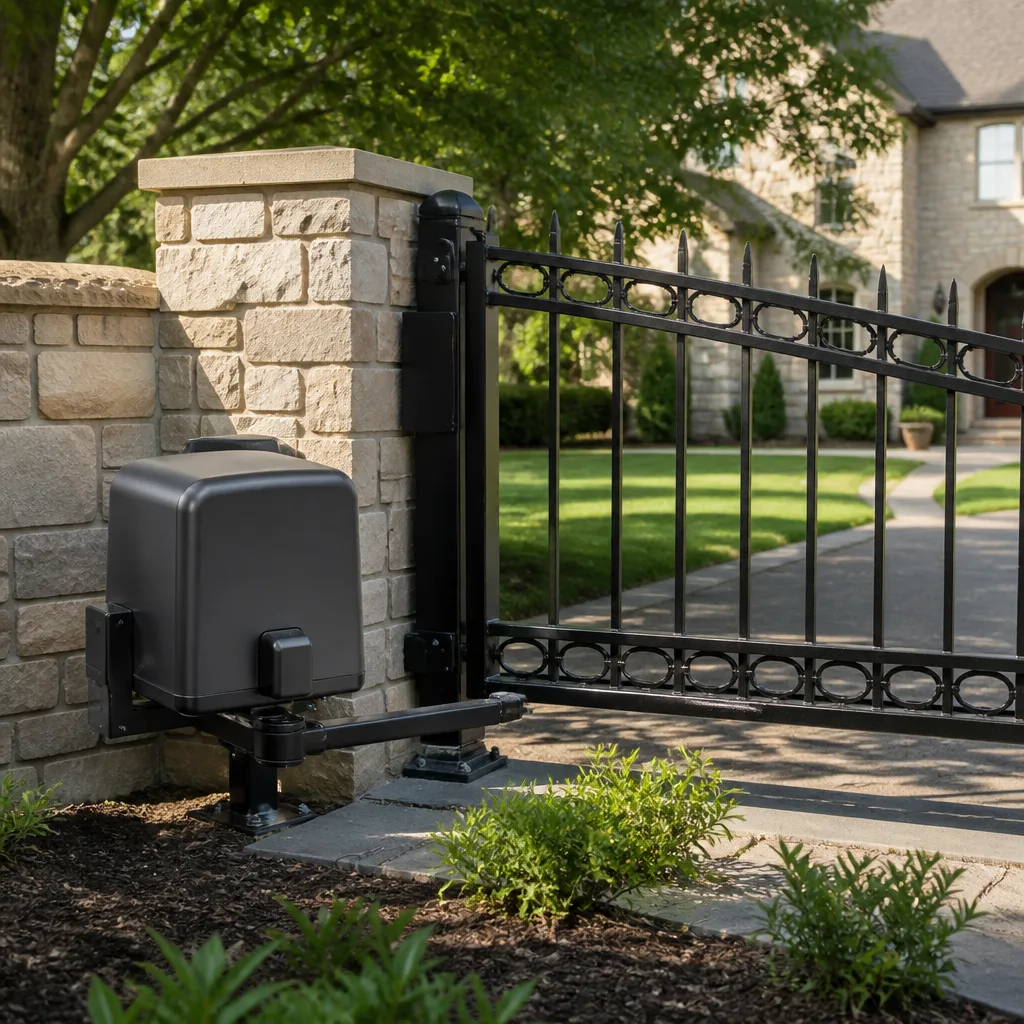
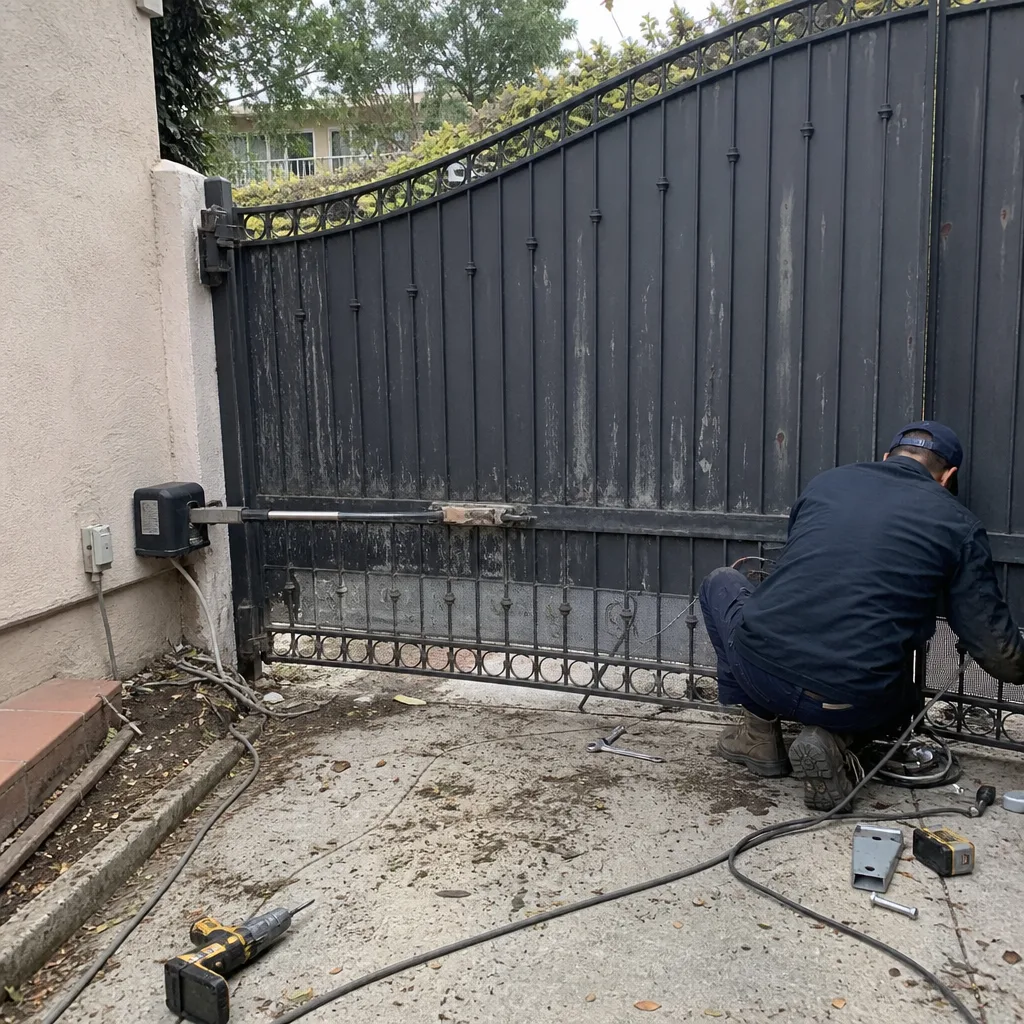 Before
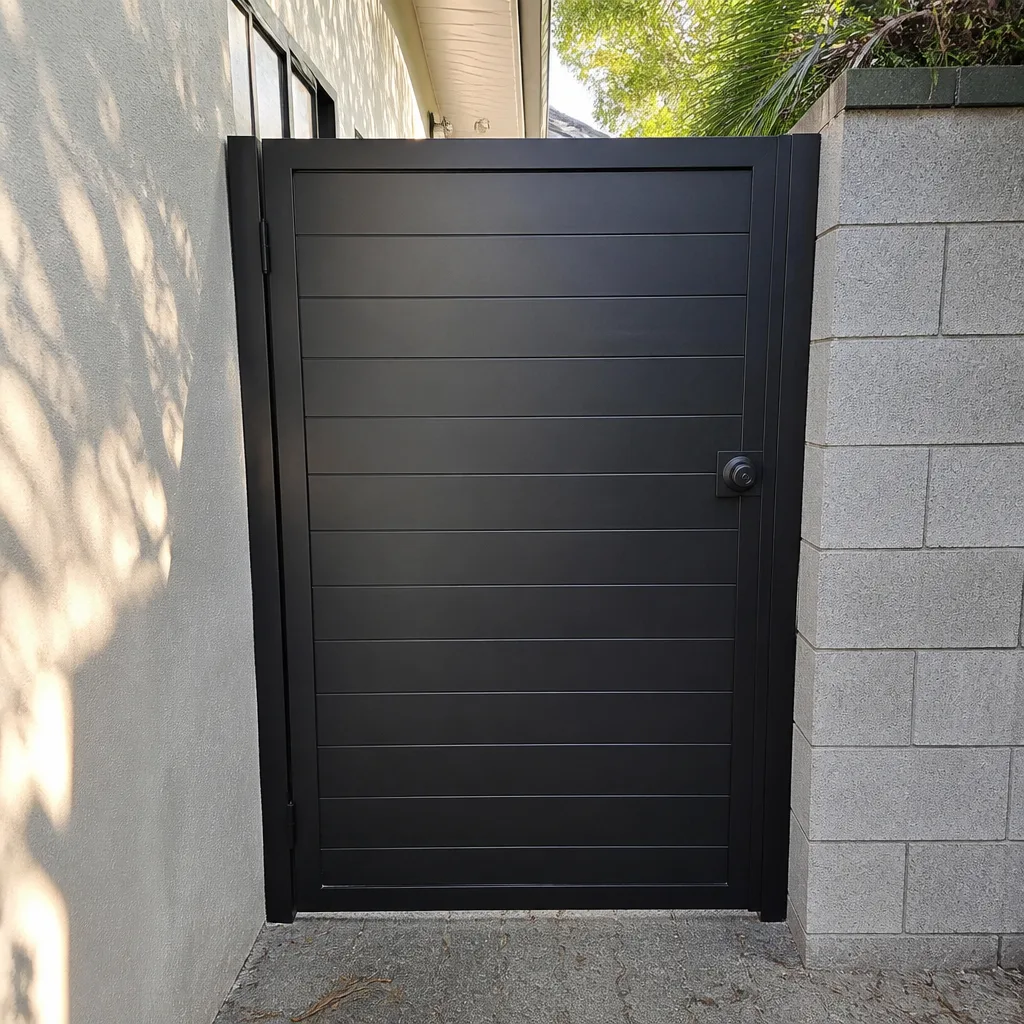 After
After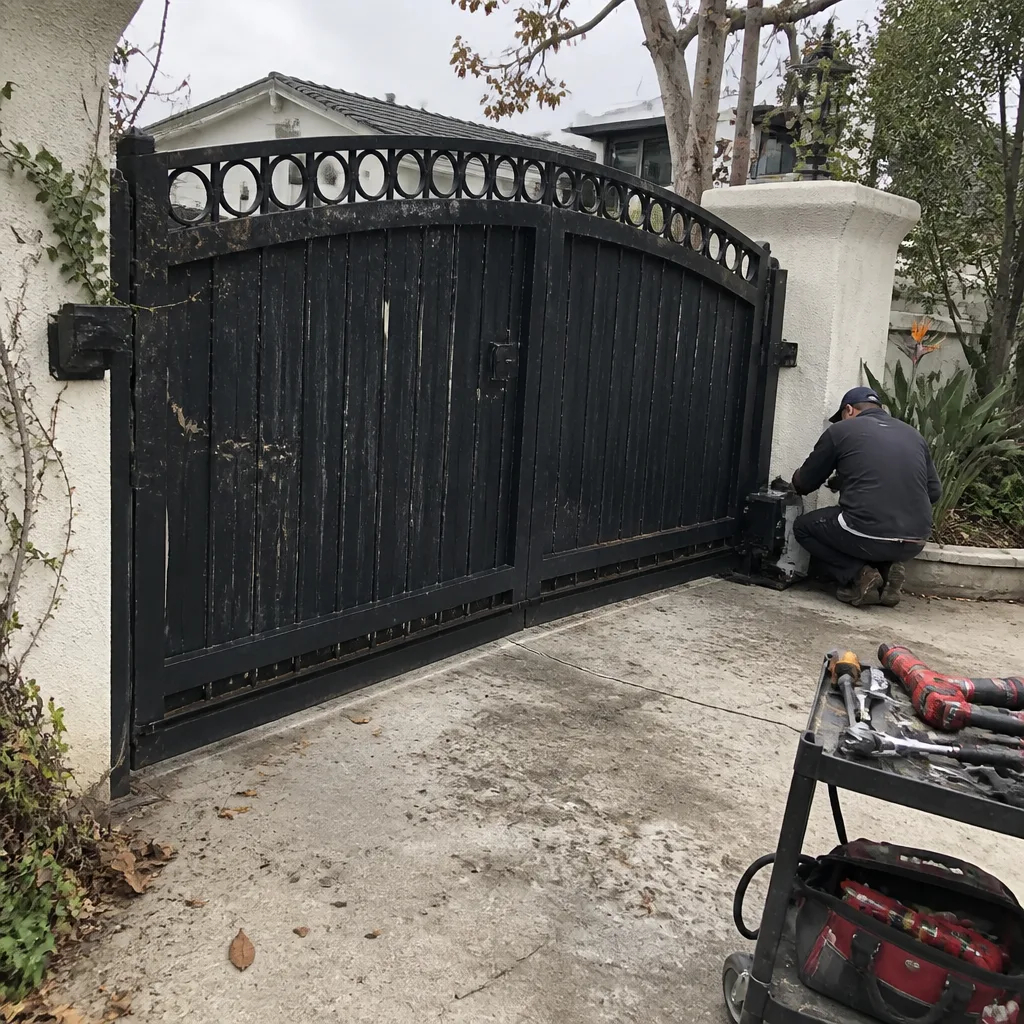 Before
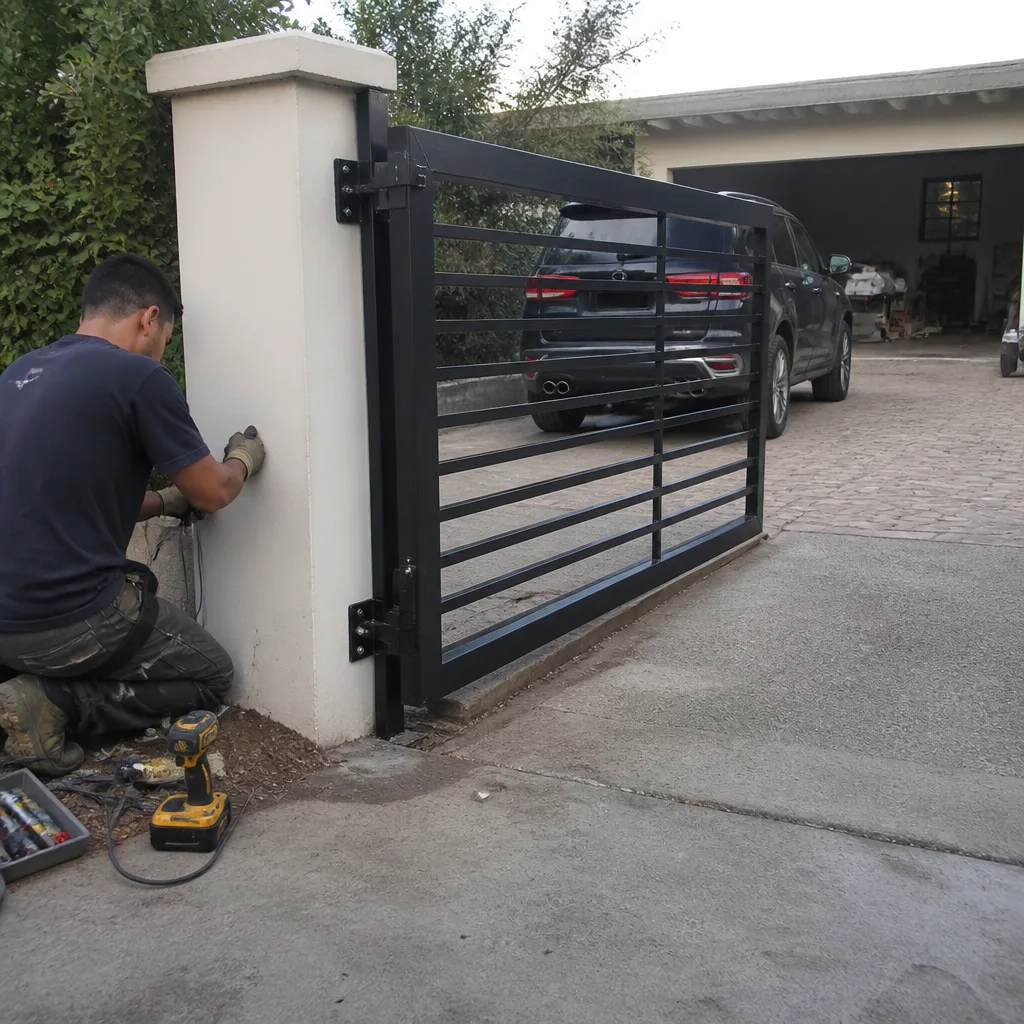 After
After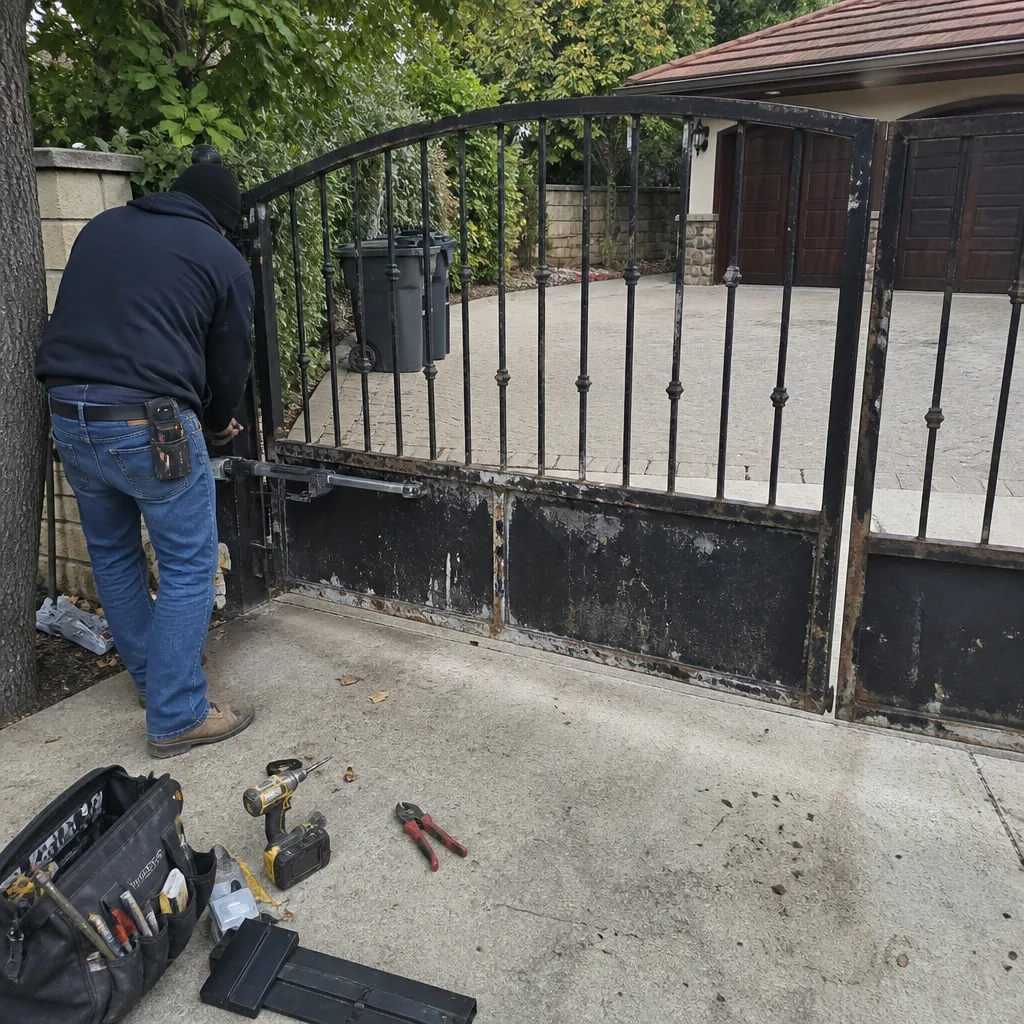 Before
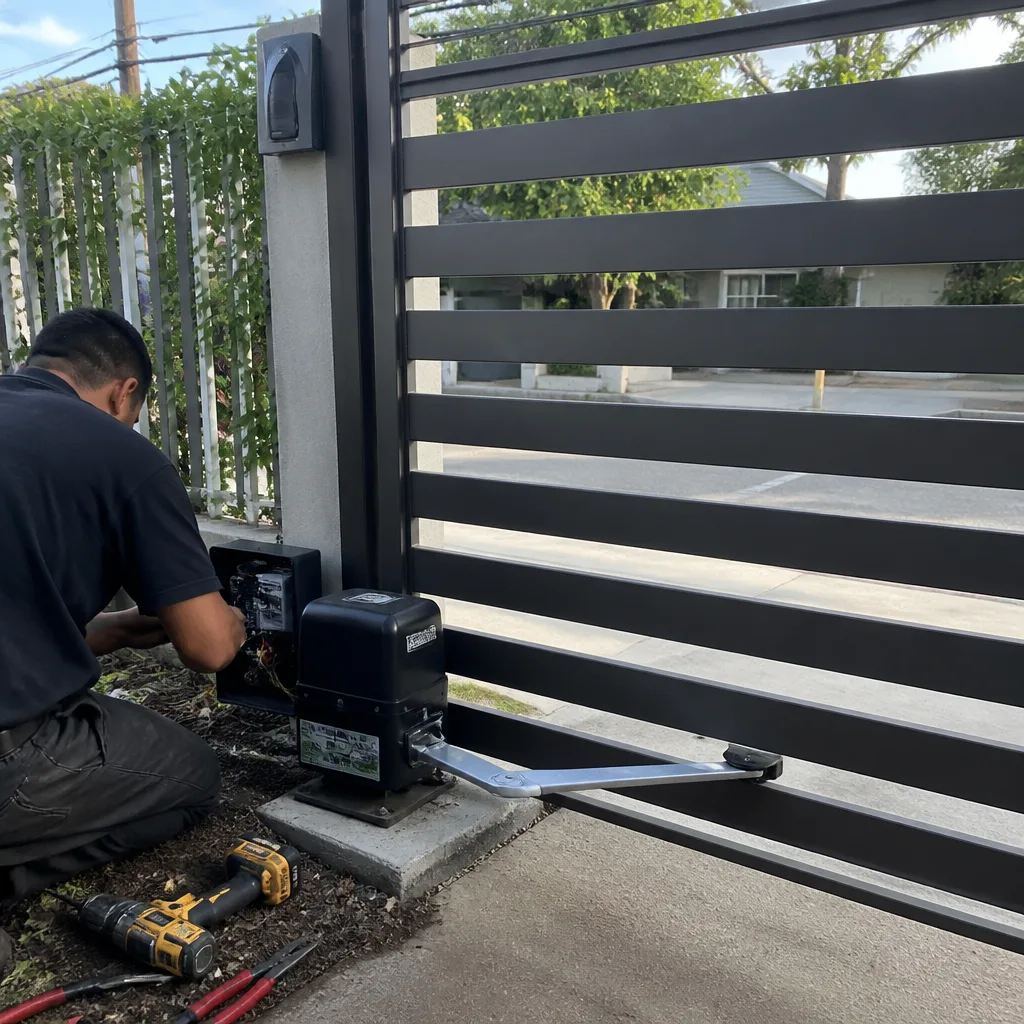 After
AfterFAAC Access Control Installation: The Sherman Oaks Owner’s Guide
FAAC access control installation in Sherman Oaks typically runs $425 to $1,150 installed, depending on which FAAC receiver, keypad, or card reader you’re pairing and whether your existing wiring is intact. We stock FAAC-compatible access control parts on our trucks and complete most installations the same day we arrive. The way most owners discover a failed access control board is a keypad that reads the code but won’t release the gate, or a remote that works only from three feet away, or a gate that opens itself at odd hours. That last one is usually a receiver board picking up stray RF from a neighbor’s system or a dying capacitor on the logic board, not a ghost. We’ll name the part, hand you a written price, and fix it.
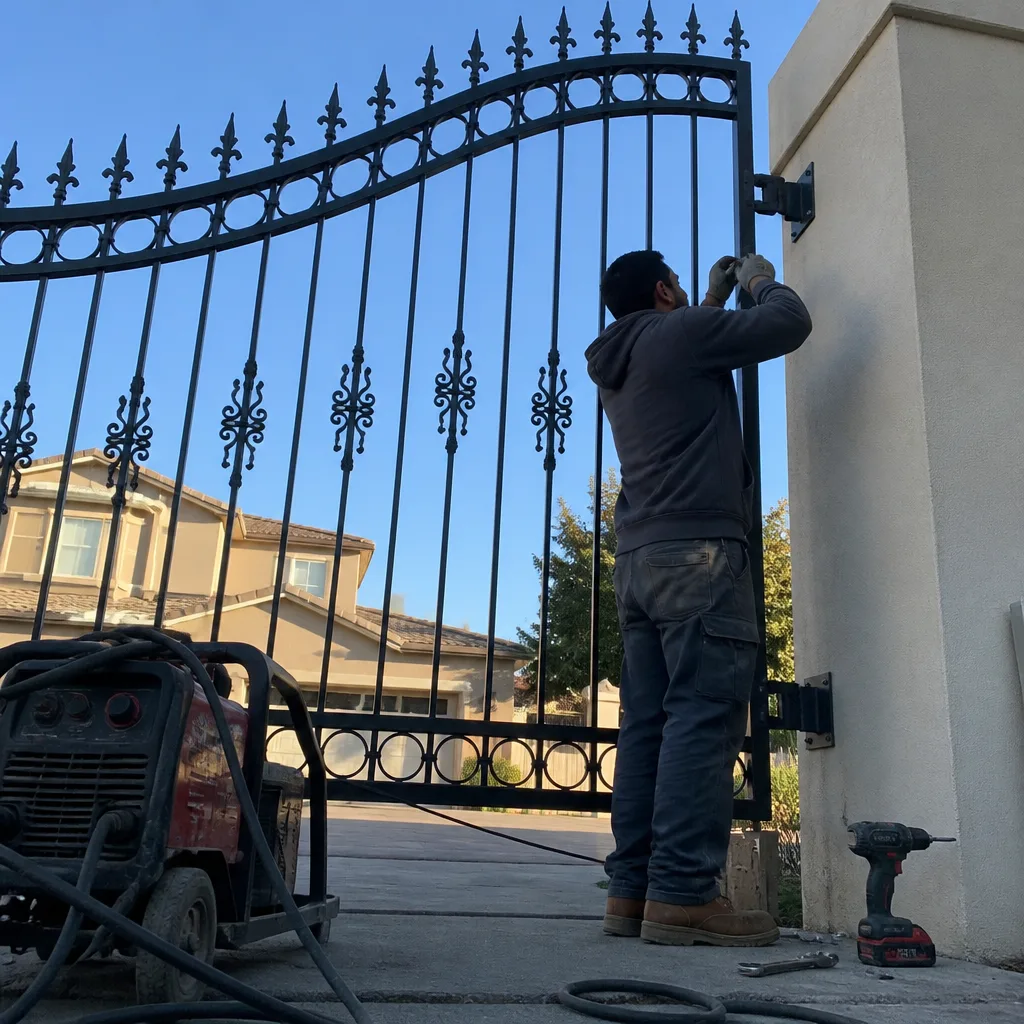
If your FAAC gate operator still drives the gate but won’t take instructions, the problem is almost always in the access control layer: the receiver, the decoding board, the keypad, or the wiring between them. And in Sherman Oaks, with the heat coming off the Valley floor and the dust that drifts up from Ventura Boulevard, we see a particular failure pattern: electrolytic capacitors on FAAC’s control boards dry out faster than the spec sheet suggests, and the RF receiver modules get noisy after five or six years. You’ll notice it first as intermittent behavior, not a dead system.
Which FAAC Models This Applies To
FAAC has been using the same general access control architecture across most of its residential and light commercial swing and slide operators for over a decade, but the exact plug and programming path varies. The models we work on most in Sherman Oaks include the 402, 415, 422, 391, 770, 844, and the newer E024U control boards. The access control layer on these is usually a separate radio receiver board or an add-on RP433 receiver paired with the main control board. Some later models have the receiver integrated into the logic board, and that matters because an integrated receiver failure is a board replacement, not a plug-in repair. The label on the outside of the operator gives the model, but the board name is what we need: it’s printed on the PCB itself, normally near the terminal strip. If you can open the cover safely and read us that label, we’ll bring the right part on the first trip.
On the OEM versus aftermarket question for FAAC specifically: we use FAAC OEM receivers and keypads when the customer wants the exact original fit and the longest expected service life. For the RP433-series receivers, certain quality aftermarket replacements from security suppliers have been reliable for us, at 30 to 40 percent less cost. What we won’t do is put an aftermarket decoder board behind an OEM keypad and pretend it’s a matched set. The protocol timing is close enough that it works for a while, then fails intermittently, and then you’re paying twice. We’d rather tell you the honest math: OEM costs more up front, aftermarket can save money on a few specific parts, and either way the written price is the same number after we hand it to you.
Signs Your FAAC Access Control Installation Is Failing
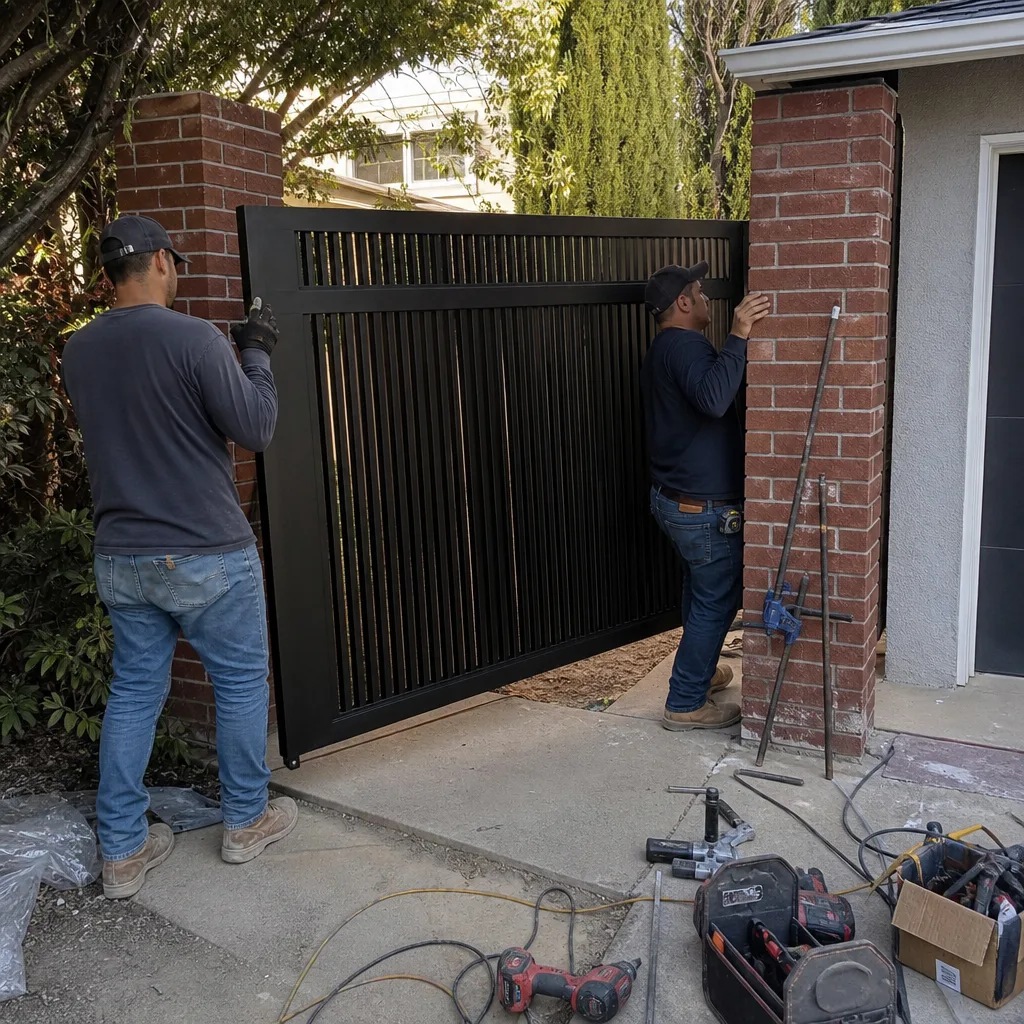
- Keypad accepts the code but the gate doesn’t move. The keypad is doing its job; the signal isn’t reaching the operator. That points to the receiver board, a wiring break, or a failed relay on the main control board. We test each leg before we replace anything, because replacing a good keypad won’t fix a bad receiver.
- Remotes only work from a few feet away. On FAAC receivers, range collapse like this usually means the antenna connection has corroded or the receiver’s front-end has degraded. In a humid coastal-influenced winter or after a string of hot Valley summers, this is one of the most common failures we see in Sherman Oaks.
- The gate opens randomly at night. This is usually a receiver with poor filtering, or a neighbor’s new system transmitting on the same frequency. FAAC’s older fixed-code receivers are more prone to this than the rolling-code versions. We can often resolve it with a receiver swap or a frequency check, not a whole new operator.
- The gate works from one keypad but not another. Wiring, not programming, is usually the culprit. FAAC keypads are wired in parallel on most residential installs. One bad splice or a corroded wire nut behind one keypad can kill the entire chain or just one station. We ring out each run and photograph what we find.
- The access control responds but the gate reverses mid-travel. The access layer is working; the operator’s safety circuit or limit switch is the problem. On FAAC units this often traces to the reversing sensor or a limit switch that has drifted out of adjustment. Access control gets blamed for a lot of failures that actually live in the operator itself.
 Before
 After
AfterReplacement Cost & What’s Included
In Sherman Oaks, most FAAC access control installation work falls into these ranges:
- Replacement RP433-style receiver board: $145 to $235 parts, $125 labor; typical installed total $270 to $360.
- Replacement keypad station: $120 to $210 parts, $110 labor; typical installed total $230 to $350.
- Replacement integrated access control / logic board: $320 to $620 parts, $150 to $190 labor; typical installed total $470 to $810.
- Full access control refresh (receiver, keypad, two remotes integrated): $580 to $1,150 installed, depending on model and wiring condition.
What drives the range is model, whether the existing wiring is in good enough shape to reuse, and whether we’re replacing one component or a matched set. Every price we give is written, handed to you before work starts, and includes the part, the labor to install and program it, and a photo record of the old part out, the new part in, and the programmed settings. Our 365-Day Done Right Promise covers the installation. If a board fails within a year, we replace it and do the labor again at no charge. Under Haven Standard Clause 1, you see the number before we pick up a screwdriver.
DIY or Call Us?
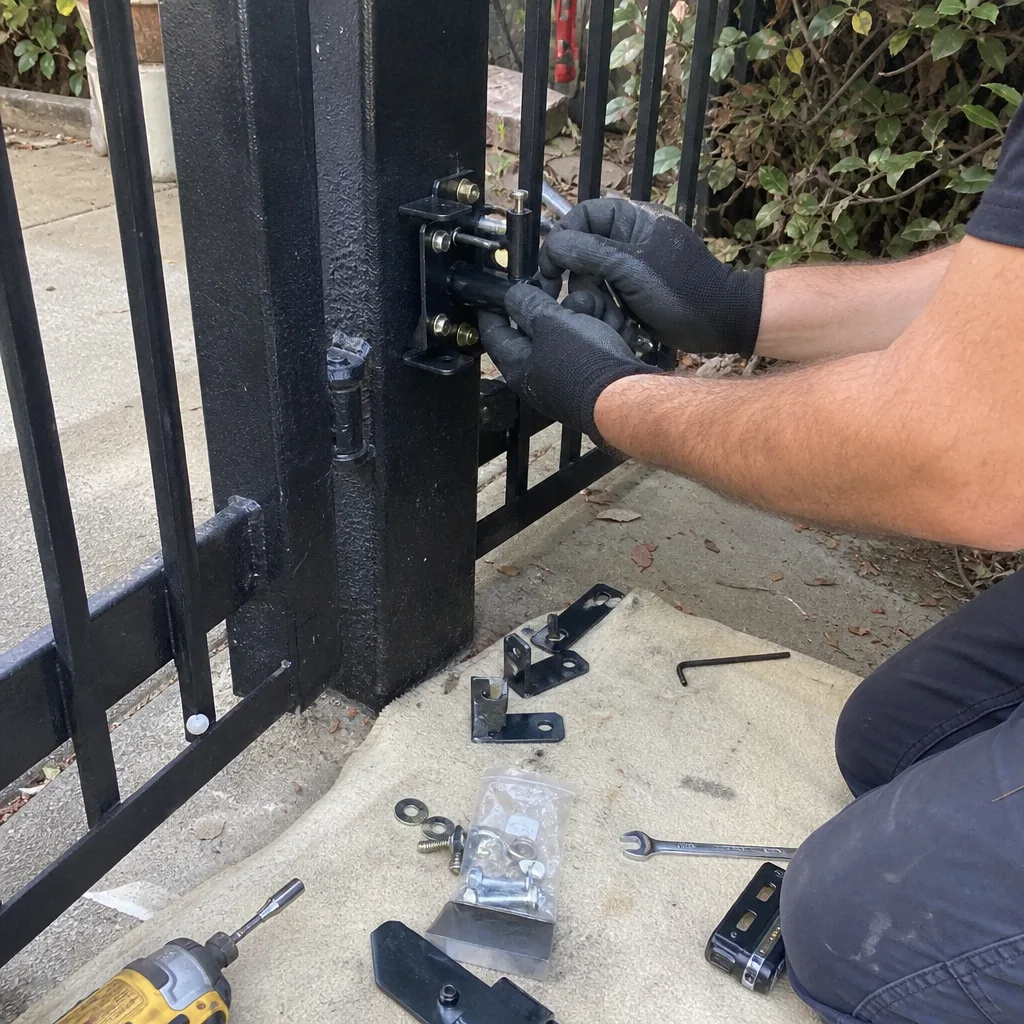
What an owner can safely do is read us the model label and the board number, check that the keypad has power, and look for obvious wire breaks or rodent damage at the keypad housing. What we’d flag as the line: FAAC access control boards run on low voltage, but they sit inside an enclosure that also houses 120V or 240V line power. If you don’t know exactly which terminal strip is which, or if the board shows scorch marks, leave the cover closed and call us. The injuries we hear about with gate work are rarely from the gate itself; they’re from someone poking a screwdriver into the wrong spot in a live enclosure.
Programming a new FAAC receiver or keypad is not hard once you know the sequence, but the sequence is model-specific and the manuals assume you already understand the difference between a relay output and an open-collector output. Most DIY FAAC access control installs we see in Sherman Oaks end with either the gate working but the safety eye bypassed, or the gate not working and the homeowner out $180 for a part they can’t return. If you want to try the diagnostic half yourself, that’s fair. When it gets to replacing and programming, call (213) 463-6296. The estimate is free.
FAQs
In Sherman Oaks conditions, expect 6 to 10 years on a FAAC receiver board, 8 to 12 on a keypad, and 10 to 15 on the main logic board before heat and dust start causing intermittent failures. That’s shorter than the manufacturer’s nominal spec, but it’s what we actually observe in the Valley. Coastal-adjacent humidity in some Sherman Oaks microclimates accelerates corrosion on connector terminals. Call (213) 463-6296 for an inspection and a written assessment.
Sometimes. Failed capacitors, blown relays, and corroded terminals can be rebuilt at a component level, and we’ll tell you honestly when that’s the right call. When the board’s microprocessor or RF front-end is dead, repair isn’t practical; the rework costs more than a replacement. Call (213) 463-6296 and we’ll test the board before recommending anything.
A simple receiver or keypad swap is normally a 45 to 90 minute job, including programming and testing. An integrated board replacement with full access control reprogramming runs 2 to 3 hours, and a full refresh with new keypad, receiver, and remotes is a half day. We’ll give you the timeline before we start, in writing, along with the price.
Our trucks carry RP433-compatible receivers, common FAAC keypads, remotes, and the boards for the most common 400-series operators, so there’s a good chance we have what you need on the first visit. For less common FAAC parts we source from regional distributors, usually 1 to 3 business days out. Same-day installation is standard when the part is on hand. Call (213) 463-6296 with your model number, and we’ll tell you what we can do today.
We’re an independent gate and access control company in Sherman Oaks, not affiliated with FAAC, and we stock parts for LiftMaster, Mighty Mule, Ghost Controls, and others alongside FAAC. If your FAAC access control is giving you intermittent failures, a dead keypad, or a remote that only works when you’re standing next to the gate, call (213) 463-6296. Adrian Vance and the crew will tell you what we found, what it costs to fix it, and what you’ll have when we leave.
Written by Adrian Vance, Owner, Vance Gate Repair Sherman Oaks at Vance Gate Repair Sherman Oaks, serving Sherman Oaks and nearby areas.